Interested in More Haunted Locations – Haunted Locations Blog & SD Haunted Locations Overview
From ancient civilizations to modern-day ghost hunters, the quest to understand the unseen has taken many forms. We’ve performed elaborate rituals, held seances, and even turned to science and technology in our pursuit of ghostly encounters.
But what exactly is ghost hunting, and how has it evolved? In this blog post, we’ll take you into the fascinating history of paranormal investigation, exploring the tools, techniques, and beliefs that have shaped our understanding of the spirit world. Get ready to uncover the secrets of ghost hunting’s past and discover how it continues to captivate our imaginations today!
Ancient History of Ghost Hunting: More Ritual Than Gadget
Long before EMF meters and thermal cameras made their otherworldly debut, our ancestors were already trying to make sense of the spooky and unexplained. Ghost hunting wasn’t just a hobby back then—it was often intertwined with religious beliefs, cultural practices, and a whole lot of rituals.

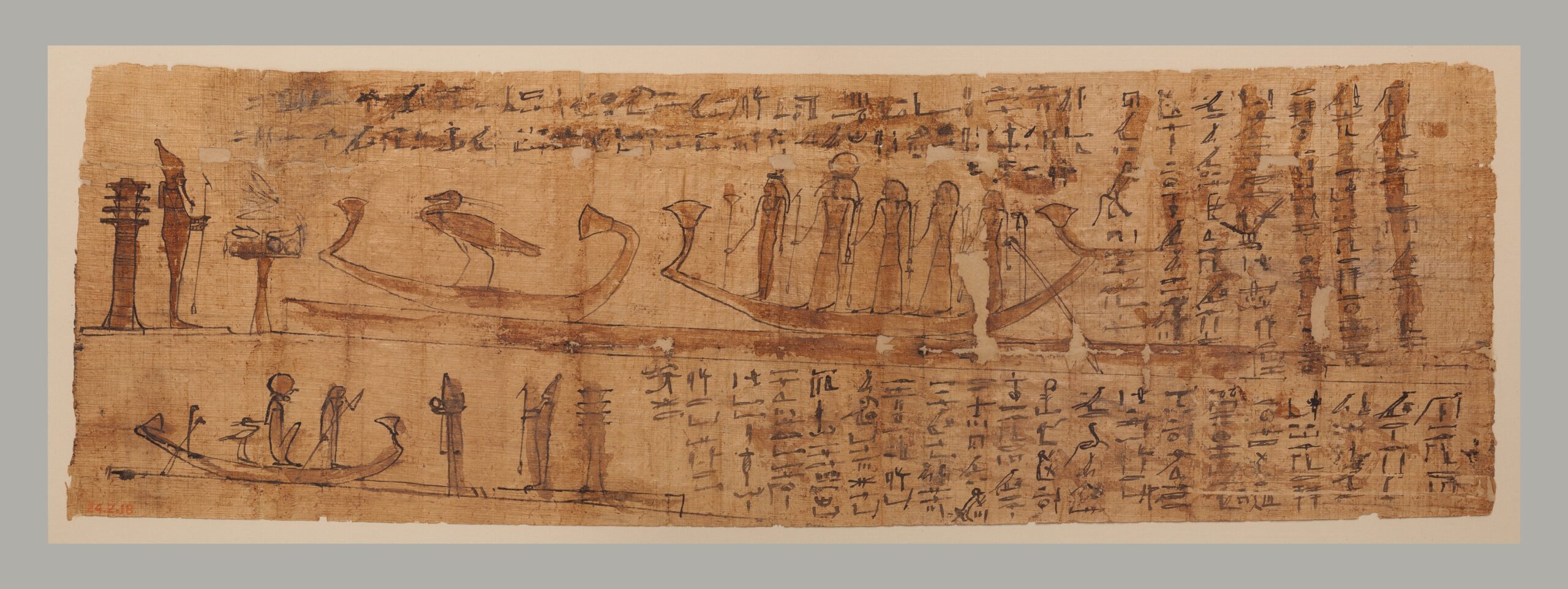
Ancient Egypt: A Guidebook for the Afterlife
In ancient Egypt, they took the afterlife very seriously. They believed in eternal life and the importance of preparing the deceased for their journey to the other side. Imagine having a guidebook for the afterlife, like a spectral Lonely Planet! The Egyptians had the Pyramid Texts, Coffin Texts, and the famous Book of the Dead, filled with spells and instructions to navigate the spirit world. It was all about ensuring a smooth transition and eternal happiness for the deceased.

Mesopotamia: A Land of No Return (But Still Pretty Spooky)
Meanwhile, in ancient Mesopotamia, the afterlife wasn't exactly a vacation destination. They saw it as a dark and dreary "land of no return." Yikes! But that didn't stop them from trying to communicate with the spirits who resided there. Cuneiform tablets (the ancient equivalent of text messages) reveal rituals that involved using human skulls to consult with the deceased. Talk about a head-scratcher!
Necromancy: A Chat with the Dead
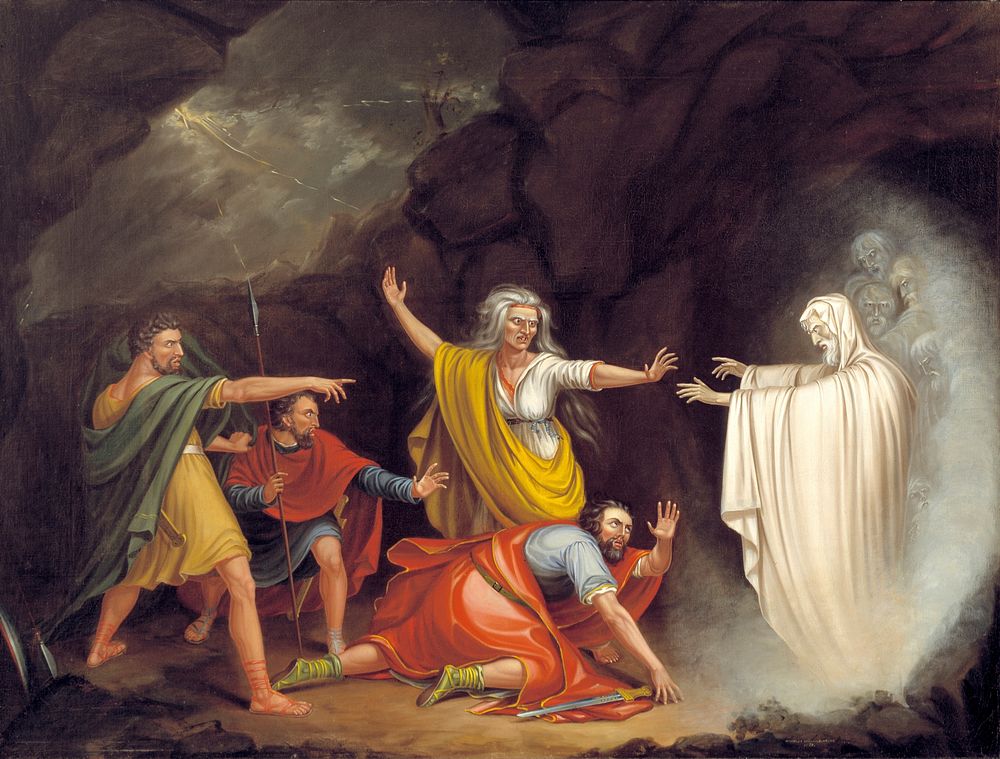
Speaking of skulls, the practice of communicating with the dead, known as necromancy, was a popular pastime in various cultures. In the Bible, we have the story of Saul consulting the prophet Samuel's spirit – not exactly a friendly chat, but hey, it's a start! In Mesopotamia, they used skulls to contact spirits (again with the skulls, guys?), while the Greeks and Jewish traditions also documented similar practices.
Divination & Spirit Communication
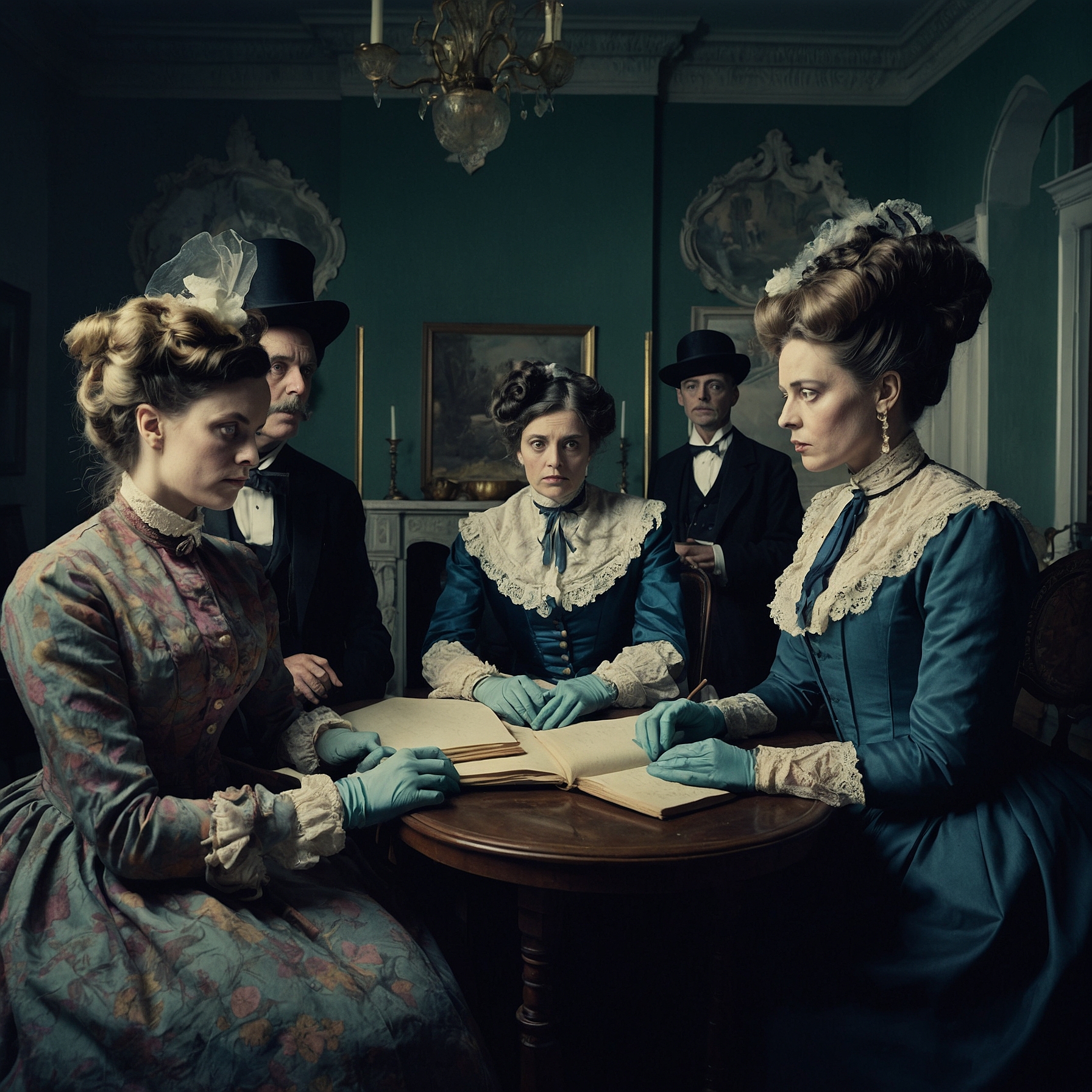
Hold onto your top hats, folks, because we’re taking a trip back in time to the 18th century when ghost hunting wasn’t just about gadgets and gizmos – it was a full-blown social scene! Think darkened parlors, mysterious music, and tables that could seemingly dance on their own.
Welcome to the Victorian era, the golden age of spiritualism and séances. Spiritualism, the belief that spirits of the dead could communicate with the living, was all the rage in the 1800s. It wasn’t just for the bereaved, either. Everyone from intellectuals like Marie Curie to even Queen Victoria herself was curious about contacting the other side. Imagine having a chat with Shakespeare or getting life advice from Plato! Talk about a dinner party guest list!

Séances: The Victorian Era's Go-To Ghostly Gathering
These spooky social events were *the* place to be if you wanted a glimpse into the spirit world. Mediums, the rockstars of the paranormal scene, would lead these gatherings, channeling messages from beyond the grave. Think of them as the original ghost hunters but with more dramatic flair and fewer EMF meters.
Ouija, Anyone? The Tools of the Trade
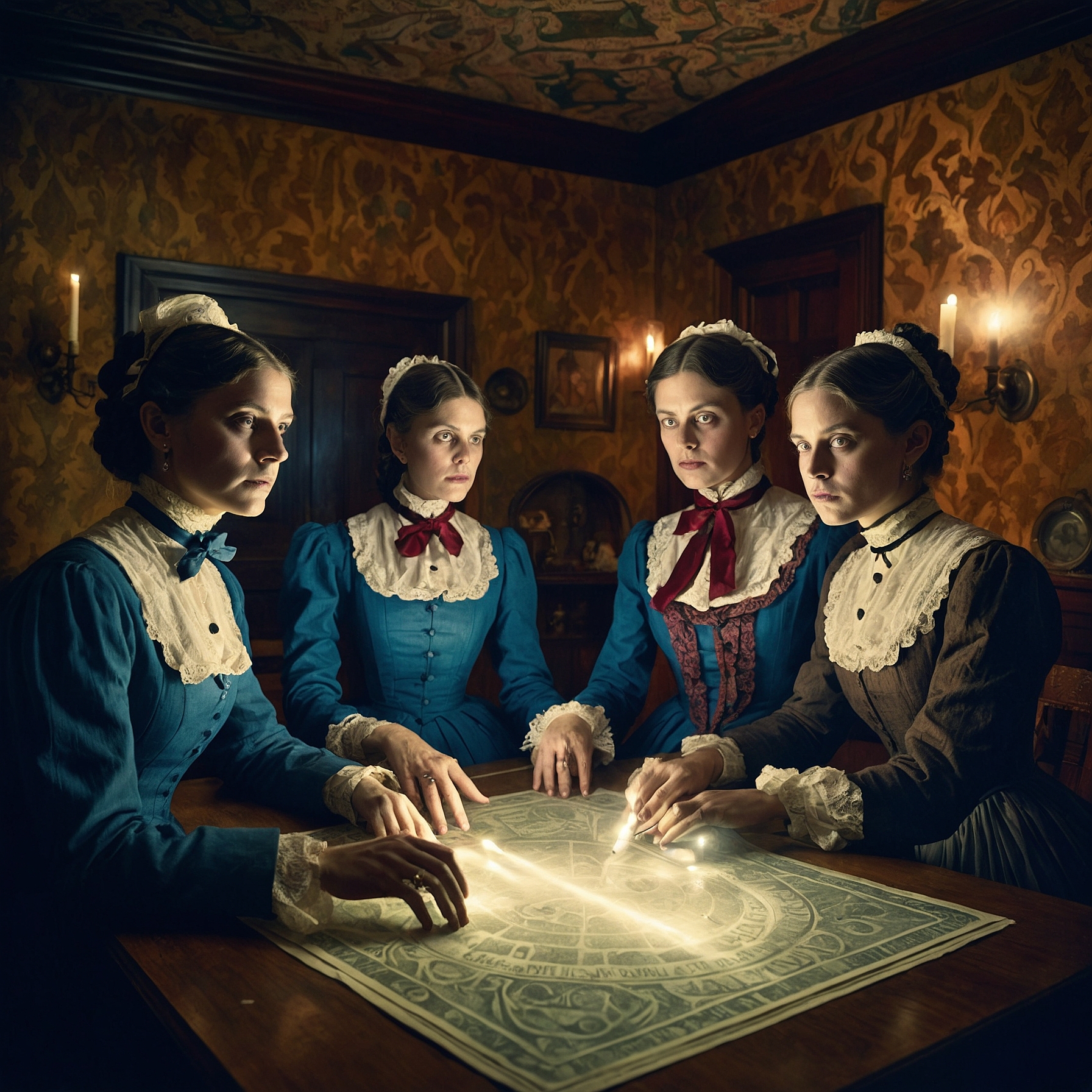
No Victorian séance was complete without a few spooky accessories. Ouija boards were a popular tool for communicating with spirits, with participants placing their fingers on a planchette that would glide across the board, seemingly spelling out messages from beyond. Table-tipping, where a table would move or rap in response to questions, was another favorite pastime. And some mediums even used trumpets or slates to amplify paranormal activity. It was all very theatrical, but hey, who doesn't love a bit of drama?
Elijah Bond, a lawyer with a knack for the supernatural, who saw the potential in these spooky boards. Along with his sister-in-law, Helen Peters (a powerful medium, we might add), they founded the Kennard Novelty Company and started mass-producing Ouija boards for the spirit-seeking public.
But where did the name “Ouija” come from? Legend has it that during a séance, the board itself spelled out the word, with Helen Peters claiming it meant “good luck.” Whether you believe in the mystical origins or not, the name stuck, and the Ouija board quickly became a household name (and a must-have for any self-respecting Victorian ghost hunter!).
The Ouija board craze reflected the era’s obsession with spiritualism and the desire to communicate with the dead. While its use has evolved over time, it remains a popular tool for those who seek to connect with the spirit world. And who knows, maybe those spooky stories of Ouija boards predicting the future or revealing hidden secrets aren’t just legends after all…
Famous Mediums: The Ghostly Gossip Girls of Their Time

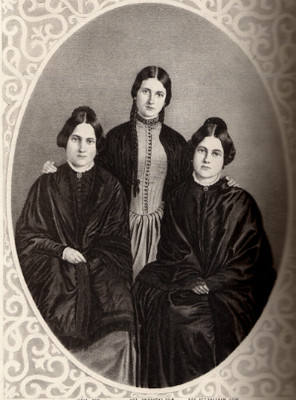
The Victorian era also produced its fair share of celebrity mediums. The Fox sisters, three young women from New York, became famous (or infamous, depending on who you ask) for their ability to communicate with spirits through mysterious rappings and tappings. Madame Blavatsky, a Russian occultist, claimed to have psychic powers and the ability to channel messages from the spirit world. These mediums became the talk of the town, sparking both fascination and skepticism.
While séances and table-tipping might seem a bit old-fashioned to us modern ghost hunters, the Victorian era's obsession with the paranormal laid the groundwork for the scientific investigation of the supernatural that followed. It sparked a curiosity about the unseen world that continues to this day.
Victorian Era: Séances & Table-Tipping Was Totally Trending
As the roaring twenties arrived, so did a new era of ghost hunting. Out with the spooky séances and in with the scientific method! A fresh breed of paranormal investigators emerged, eager to swap crystal balls for cameras and trade table-tipping for thermometers. Think of it as a glow-up for the ghost hunting world – less hocus pocus, more hocus focus!
These early 20th-century ghost hunters weren’t your average thrill-seekers; they were scientists, academics, and curious minds who wanted to understand the paranormal through rigorous research and investigation. They formed societies like the Society for Psychical Research (SPR), a group of brainiacs dedicated to studying everything from telepathy to hauntings. These folks were all about collecting data, conducting experiments, and analyzing evidence – basically, they were the OG ghost hunting teams.

Harry Price: The Sherlock Holmes of the Paranormal
One of the most famous figures in early paranormal research was Harry Price, a British investigator who could give Sherlock Holmes a run for his money. He founded the National Laboratory of Psychical Research, a veritable playground, equipped with all sorts of gadgets to capture evidence of the unseen. Price was a master of exposing fraudulent mediums and debunking phony phenomena, but he also had a genuine passion for understanding the mysteries of the spirit world.
Price wasn’t just your average ghost hunter; he was the real deal. This paranormal pioneer was famous for his headline-grabbing investigation of the Borley Rectory in Essex, England – a place so spooky, he dubbed it “the most haunted house in England.” Talk about a spooky resume builder!
Price spent years documenting every bump in the night, every unexplained sound, and every chilling apparition that supposedly haunted the rectory. He meticulously recorded ghostly footsteps, phantom whispers, and even mysterious messages that appeared on the walls. In 1940, he published his findings in a book that became an instant sensation, solidifying Borley Rectory’s reputation as a paranormal hotspot and turning Price into a ghost-hunting legend.
To this day, the Borley Rectory investigation remains one of the most famous cases in paranormal research history. While some skeptics question Price’s methods and findings, there’s no denying the impact he had on the field of ghost hunting. He showed the world that paranormal investigation could be more than just spooky stories and séances – it could be a serious endeavor with real evidence (even if it’s a little spooky!).
From Séances to Science: A New Era Begins
As the 20th century dawned, the spooky séance scene started to fade, making way for a new era of ghost hunting – one grounded in science and driven by a thirst for evidence. While intuition and spooky stories still played a role, the focus shifted towards a more methodical and empirical approach to paranormal investigation.
Think of it like this: ghost hunting traded in its crystal ball for a magnifying glass. Instead of relying solely on gut feelings and folklore, investigators began to embrace tools and techniques borrowed from the scientific world. This new era of ghost hunting was all about asking questions, gathering evidence, and seeking out the truth behind the supernatural.
It’s important to note that this shift didn’t happen overnight. Many ghost hunters still held onto their spiritual beliefs, but they also recognized the value of using scientific tools to validate their experiences and observations. After all, wouldn’t it be amazing to have concrete evidence to back up those spooky stories?
This fusion of science and the supernatural led to the development of new tools and techniques that revolutionized the field of paranormal investigation. Suddenly, ghost hunters had a whole new arsenal at their disposal, from electromagnetic field (EMF) detectors and EVP recorders to thermal cameras and full-spectrum photography.
These tools allowed investigators to measure and record paranormal activity in ways never before possible. And while they didn’t necessarily prove the existence of ghosts, they did open up a whole new world of possibilities for exploring the unexplained.
Next time you’re on one of our Haunted San Diego Ghost Tours, wielding your EMF meter and EVP recorder, take a moment to appreciate the pioneers who came before you. Their curiosity and thirst for knowledge laid the foundation for the exciting world of ghost hunting that we enjoy today. So let’s raise a glass (or a spirit box) to the early ghost hunters who dared to ask, “What if?” and paved the way for our spooky adventures!
20th Century: Ghost Hunting Gets a High-Tech Makeover (Well, Kinda)
Experience San Diego History. Ghost Stories. Folklore. Paranormal Encounters.
Our Tours & Events
At Haunted San Diego Ghost Tours and San Diego History Tours, we bring the vibrant history and eerie tales of San Diego to life. As a locally-owned business, our expert guides offer authentic and detailed explorations of the city’s most iconic locations.
Whether you’re fascinated by the Victorian-era buildings of the Gaslamp Quarter or crave the thrill of our spine-chilling ghost tours, we provide unique and memorable experiences for all ages. By choosing us, you’re supporting a local business dedicated to the community and its heritage. With exceptional customer service and a satisfaction guarantee, we ensure you only pay for a tour you love. Book today and discover why we are the best in the nation!
Satisfaction Guaranteed On All Tours*
*Just reach out to us directly and provide some constructive feedback (help us improve). In most cases we will give you a full refund up to 4 people.